Pools and Open Water
Pools and Open Water
Fife swimming pools, the history of the Burntisland bathing pool, sea swimming in the Forth and the safety rules that make cold open water manageable.
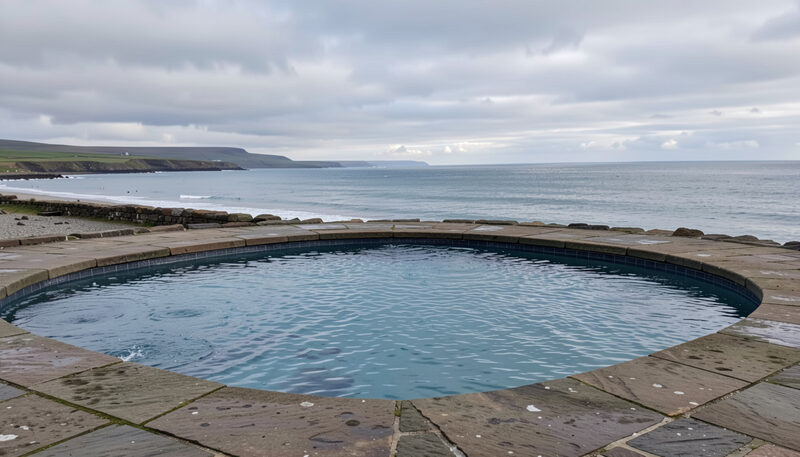
Fife has two kinds of swimming water: the heated indoor pool, and the cold, tidal Forth. Most people start in the first and some never leave it, which is entirely reasonable. Others, sooner or later, find themselves drawn to the coast. This section covers both: the pools of Fife and how to reach them, the history of one particular pool at Burntisland, the practicalities of sea swimming in the Forth, and the safety knowledge that makes cold water manageable.
The indoor pool
Public pools in Fife are run mainly by the local leisure trust, which operates a network of centres across the region. They range from small community pools to large competition facilities such as the Michael Woods Sports and Leisure Centre in Glenrothes, which has an eight lane, 25 metre competition pool with electronic timing. Most pools run a mix of public sessions, lane swimming, lessons and club hire, and the timetable changes with the school term.
For a beginner, the indoor pool is the right place to learn. The water is warm, the depth is controlled, and there are lifeguards. The practical detail, from which pools exist to how to reach them by bus or train, is gathered in the guide to pools in Fife.
The coast and the Forth
The Firth of Forth runs along the whole south coast of Fife, and Burntisland sits on it. The water is cold all year, tidal, and open to the weather. It is not a substitute for a pool and it is not for beginners, but for swimmers who have built their skills indoors, it offers something a pool cannot: distance, current, and a horizon.
Sea swimming is a growing activity on this coast, and it can be done safely with the right knowledge. The starting point is covered in sea swimming in the Forth, and the safety rules that apply to all open water are set out in open water safety.
A pool with a history
Burntisland once had one of the finest open air pools in Scotland. The bathing pool at Lammerlaws opened in 1936, with tiered seating for around 1,500 spectators, and for more than forty years it drew crowds to the town in summer. It closed in 1979 and was eventually demolished. Its story, and the story of the town's swimming club, which was founded in 1886, is told in the history of swimming in Burntisland.
That history is worth knowing because it explains why swimming matters here. Burntisland is a coastal town with a long relationship with the water, from a Victorian club with a life saving society to a modern leisure centre on the site of the old pool.
Pool and sea are different sports
It is worth being clear that pool swimming and open water swimming are not the same activity, even though they share strokes. In a pool, the water is still, warm and bounded, and help is seconds away. In the sea, the water is cold, moving and unbounded, and the swimmer has to manage cold, current and visibility as well as swimming. Skills transfer, but expectations must change.
The sensible path is to become a competent pool swimmer first, then to add open water gradually, with the right kit and with other people. Nothing about the coast rewards rushing.
Where to start
If you are new to swimming, start indoors, with lessons or a public session, and build a habit. If you already swim and are curious about the sea, read the safety material before you go, find a recognised entry point, and go with others. The pools are listed in the guide to pools in Fife, the coast is introduced in sea swimming in the Forth, and the background is in the town's swimming history. The leisure trust that runs most of the pools publishes session times at fifeleisure.org.uk.
Choosing between pool and sea
For most swimmers, this is not a choice between two equal options. The pool is where skills are built and where the majority of swimming happens. The sea is where those skills are tested in conditions the pool cannot offer. A swimmer who wants to enjoy the coast will usually get there faster by becoming strong indoors first, then adding open water in small, supervised doses.
There is no requirement to swim in the sea at all. Plenty of swimmers spend a lifetime in pools and enjoy it fully. The coast is an option, not an obligation.
Weather and seasons
Fife's swimming year has a clear shape. Indoor pools run all year, busiest in winter when outdoor activity is limited. The sea is at its most inviting in late summer, when the water has had months to warm, and at its most challenging in winter, when the temperature drops and the days are short. Sea swimmers often find late summer and early autumn the best of the year, with warmer water and quieter beaches.
Whatever the season, the rules do not change: check the conditions, never swim alone, and be ready to turn back. The full safety picture is in open water safety, and the pools that keep the skills sharp through winter are listed in the guide to pools in Fife.
Water you can trust
Indoor pools are treated, monitored and staffed, which is why they are the right place to learn. Open water is not monitored in the same way, and its quality varies with rainfall and runoff. After heavy rain, coastal water can carry more than usual from the land, and rivers and lochs can be affected by farm runoff. The sensible habit is to wait a day or two after a storm before swimming, and to avoid water that looks discoloured or smells wrong.
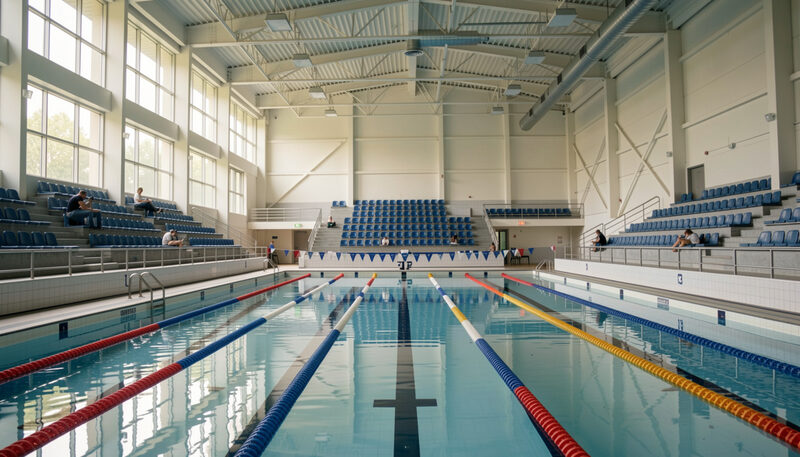
Pools and Open Water
Pools in Fife
A practical guide to Fife swimming pools: where they are, what sessions they run, how to reach them by bus, train or car, and what to bring for a swim.
Where Fife swims, and how to get there.
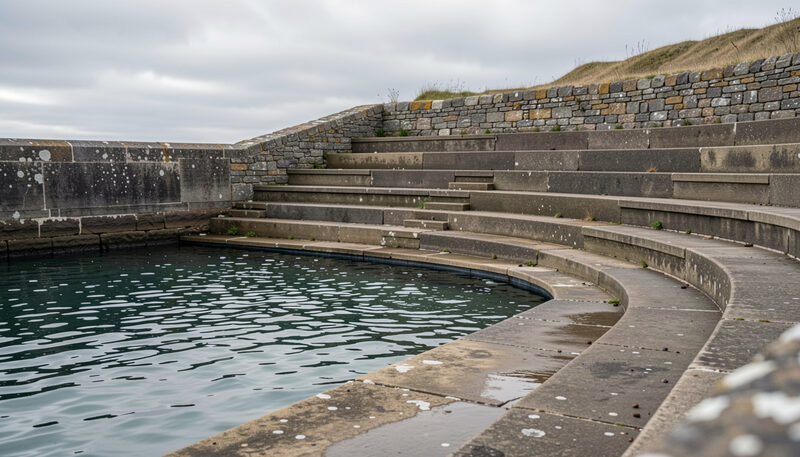
Pools and Open Water
A History of Swimming in Burntisland
The story of swimming in Burntisland: the 1886 club and its humane society, the open air bathing pool of 1936, and how the town's swimmers kept going.
The 1886 club and the 1936 bathing pool.
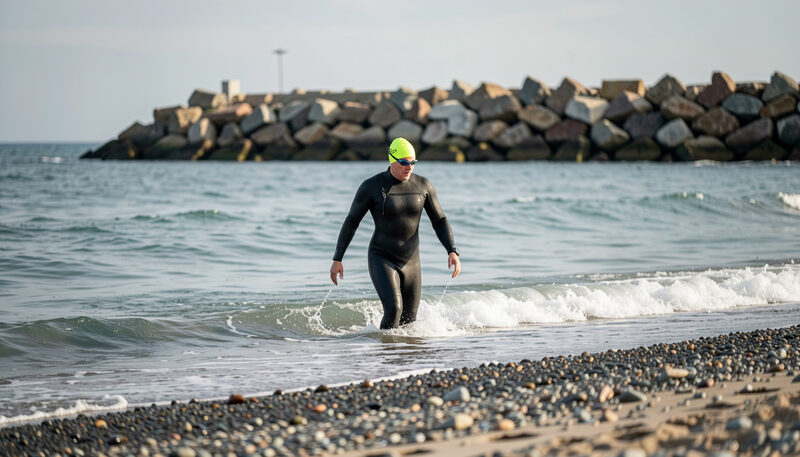
Pools and Open Water
Sea Swimming in the Forth
How to start sea swimming in the Firth of Forth: tides, temperatures, acclimatisation, safe entry points, kit and the habits that keep cold swims calm.
Cold, tidal, and worth the preparation.
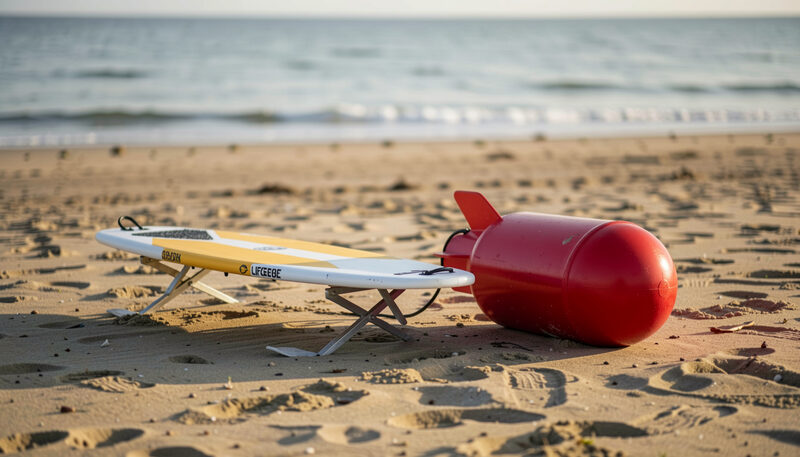
Pools and Open Water
Open Water Safety
The safety basics for open water: cold shock, rip currents, tides, the recovery position, calling for help and how to look after a swimmer in trouble.
Cold shock, rips, tides and rescue.